Crash gameplay depends on timing, risk control, and clear limits. Each round works independently, so results do not follow patterns. A structured approach helps control balance and avoid fast losses.
- Low Multiplier Strategy: Focus on early exits such as 1.20x to 1.80x. Small wins appear more often, which helps keep the balance stable over time. Losses still happen, but they are usually smaller. Discipline plays a key role, since raising targets too quickly can change results. This method fits players who prefer steady results instead of chasing large payouts;
- High Risk Strategy: Targets such as 5x, 10x, or higher increase potential profit per round. Wins appear less often, so patience is required. Balance control becomes important, as several losses can happen in a row. A single successful round can recover previous losses, but the risk level is high during long sessions;
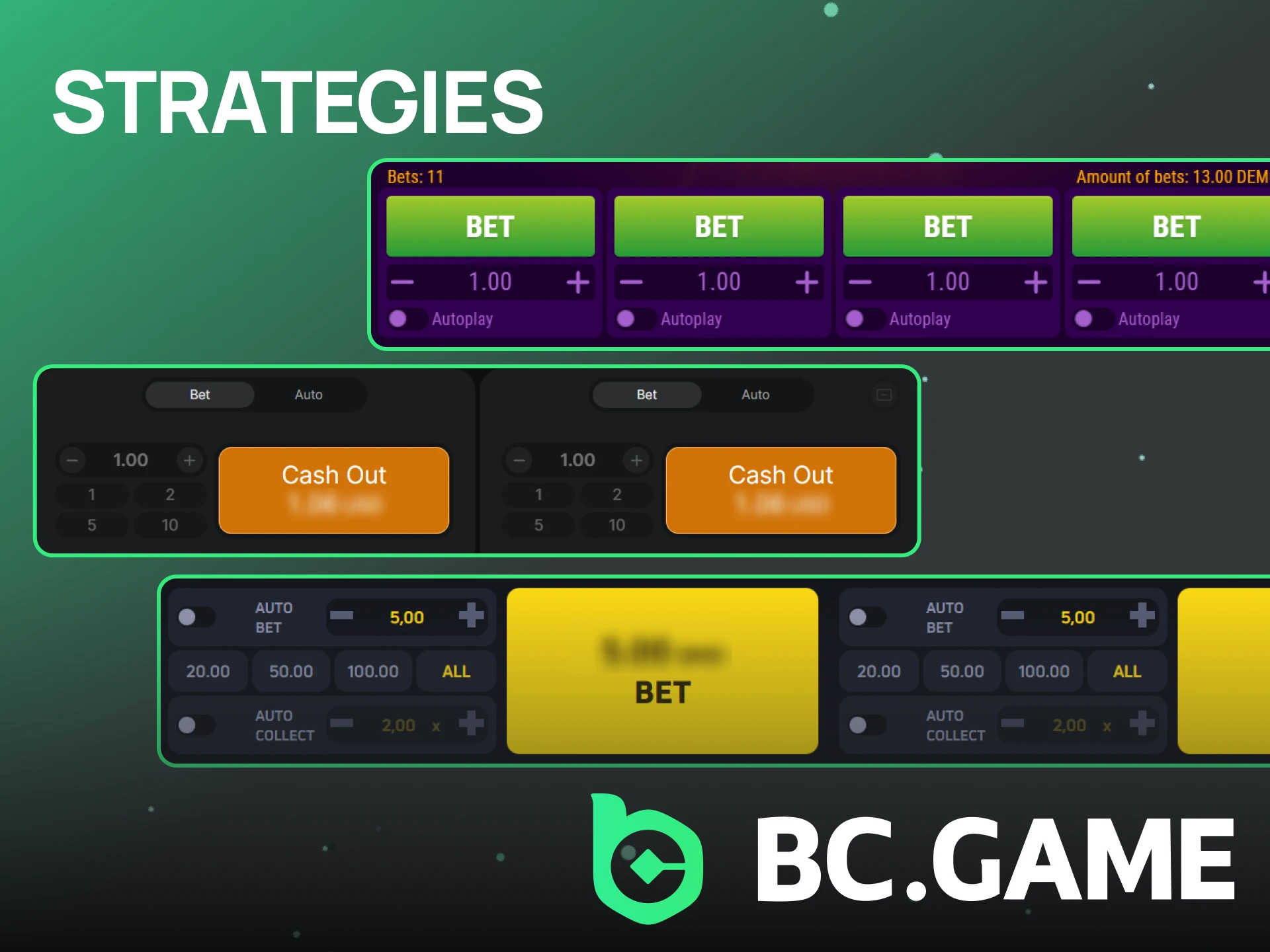
- Auto Cash-Out Strategy: Set a fixed exit point before the round starts, for example, 2.00x or 3.00x. The system closes the bet automatically once the value is reached. Emotional decisions are reduced, and results become more consistent across multiple rounds. This method helps keep control without relying on manual timing;
- Progressive Betting Strategy: Increase bet size after each loss and reset after a win. The goal is to recover previous losses with one successful round. Risk grows quickly if several losses appear in sequence, so limits must be defined before starting. Smaller multipliers work better with this approach due to a higher hit rate;
- Split Bet Strategy: Place 2 bets in one round with different targets, for example, 1.50x and 3.00x. One bet secures early profit, while the second aims for a higher payout. Even if the higher target fails, the lower one can reduce total loss. This method balances risk and reward within the same round.
Clear limits and controlled bet sizes help keep the balance stable, since results depend on probability and timing rather than patterns.








Comments